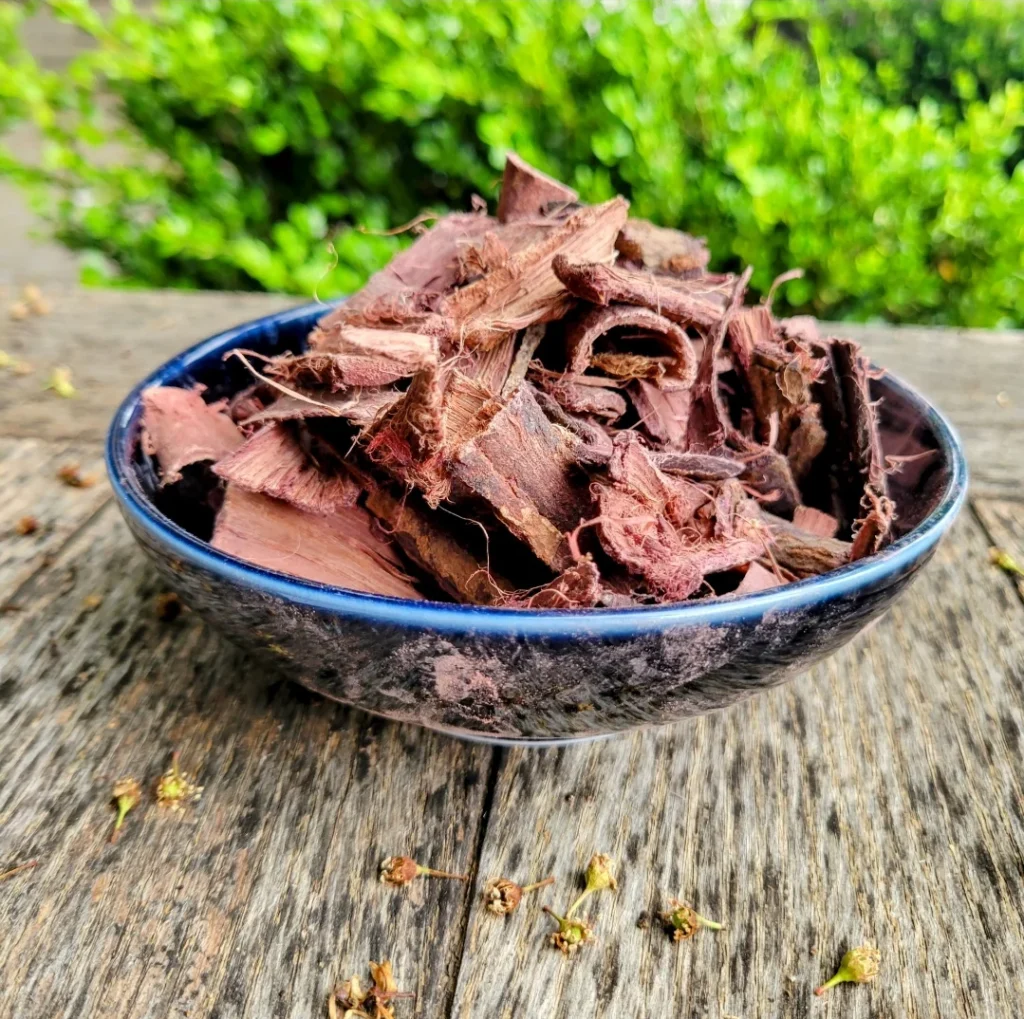
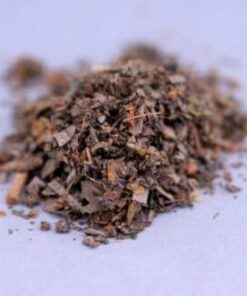
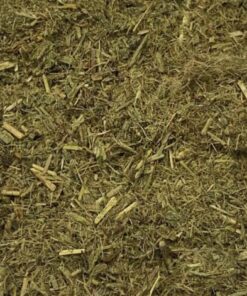
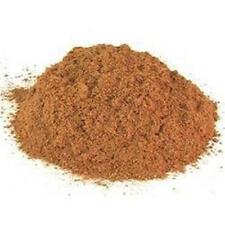
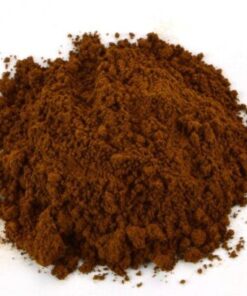
Sustainably Harvested, 100% Pure Inner Bark Powder, Shredded, and Whole Strips
Welcome to the ultimate destination for authentic, high-potency Mimosa Hostilis Root Bark (MHRB). Sourced directly from mature, ethically managed Mimosa tenuiflora trees growing naturally in the sun-drenched Caatinga regions of northeastern Brazil and southern Mexico, our products represent the pinnacle of botanical purity.
Whether you are a textile artist seeking an intense, natural purple-red fabric dye, a master soapmaker formulating skin-nourishing botanical soaps, or a specialized researcher studying high-tannin plant extracts, we deliver uncompromised quality directly to your doorstep with fast, discreet shipping.
-
100% Pure Inner Root Bark: Zero filler, outer bark, trunk wood, or synthetic additives.
-
Rich Tannin & Alkaloid Density: Naturally dried in shaded environments to preserve fragile botanical compounds.
-
Ethically & Sustainably Harvested: Harvested using rotational root-shaving methods that protect living trees.
-
Fast, Discreet Delivery: Vacuum-sealed moisture-proof packaging with generic outer labeling for total privacy.
WHY QUALITY MATTERS (THE MHRB DIFFERENCE)
The Gold Standard in Botanical Pigments, Tannins, and Craft Ingredients
Not all botanical products are created equal. When searching for Mimosa Hostilis root bark for sale online, many buyers encounter diluted powders or low-grade shredded bark mixed with useless tree wood, dirt, and dead outer bark.
Botanically known as Mimosa tenuiflora, this legendary plant carries deep historical roots across Latin America. In Brazil, it is revered as Jurema Preta (Black Jurema). In Mexico, it is celebrated as Tepezcohuite—the famous “skin tree.” The active botanical magic of this species resides almost entirely within the thin, vibrant inner layer of the root system: the true inner root bark.
Inner Root Bark (True MHRB) vs. Common Market Fillers
To achieve deep pigment saturation in textile vats or maximum skin-soothing properties in cosmetic soap batches, you must use pure inner root bark. Here is how our premium MHRB compares to lower-grade alternatives found elsewhere online:
1. Premium Inner Root Bark (Apex Grade)
The inner root bark layer contains rich concentrations of natural tannins (up to 16%), protective flavonoids, and dense botanical pigments. When milled, it produces a deep, rich reddish-purple powder that releases vibrant dye almost immediately upon contact with water. We strictly harvest and process only this high-yield inner layer.
2. Outer Bark & Core Wood (Low-Grade Fillers)
The outer root bark and inner trunk wood contain minimal tannins and virtually no usable pigment. Unscrupulous suppliers often grind the whole root—wood included—to lower costs. This results in dull, grayish-brown powders that yield weak color, leave heavy sandy residues, and perform poorly in craft applications.
PRODUCT COMPARISON MATRIX
Choosing the Right MHRB Form for Your Project
Use the structural overview below to determine which Mimosa Hostilis preparation best fits your intended application:
-
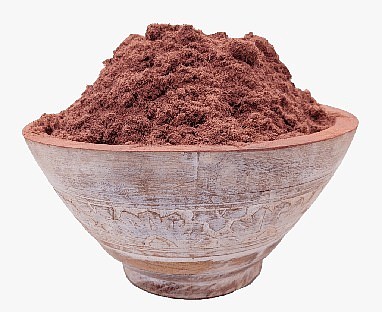
Ultra-Fine MHRB Powder
-
Primary Application: Cold-process soap, facial masks, fast textile dyeing.
-
Pigment Yield Rate: Maximum / Immediate release.
-
Filtration Needs: Requires fine cheesecloth or micro-mesh filters.
-
Shelf Life: 18 to 24 months in sealed storage.
-
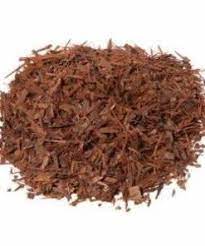
Shredded MHRB Fibers
-
Primary Application: Slow-soak fabric dye vats, leather tanning, extract batches.
-
Pigment Yield Rate: High / Steady, sustained release.
-
Filtration Needs: Very easy to strain with basic wire mesh.
-
Shelf Life: 24 to 36 months in sealed storage.
-
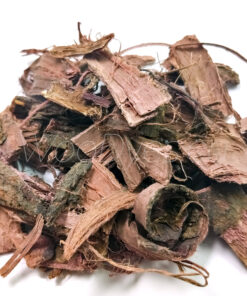
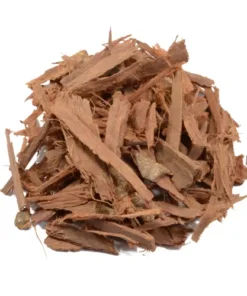
Whole MHRB Strips
-
Primary Application: Herbarium collections, long-term stockpiling, custom grinding.
-
Pigment Yield Rate: Gradual release (requires crushing/boiling).
-
Filtration Needs: Manual breaking and filtering required.
-
Shelf Life: 36+ months under proper dry conditions.
DEEP DIVE BOTANICAL GUIDE
The Complete Guide to Mimosa Hostilis (Jurema Preta / Tepezcohuite)
What is Mimosa Hostilis?
Mimosa hostilis (botanically classified today as Mimosa tenuiflora) is a perennial tree native to the arid scrublands of northeastern Brazil and central to southern Mexico. Recognized by its fern-like leaves, small white fragrant flowers, and thorny branches, this tree has survived in harsh environments for thousands of years due to its robust root system.
Culturally, the plant is known by several historic names:
-
Jurema Preta: The traditional Brazilian name used by indigenous populations who have revered the tree for generations.
-
Tepezcohuite: Derived from the Nahuatl word tepexohuitl (“skin tree”), used across Mexico to describe its historical application in soothing skin irritation, burns, and natural healing recipes.
-
MHRB: The common modern acronym for Mimosa Hostilis Root Bark, used globally by craftspeople, dye artists, and botanical enthusiasts.
The Science of MHRB Pigments and Tannins
The inner root bark of Mimosa tenuiflora contains a complex biochemical matrix that makes it one of the most versatile natural dyestuffs in the world.
Condensed Tannins (Proanthocyanidins)
Tannins are natural polyphenolic compounds that bind to proteins and natural fibers. In textile arts, tannins act as self-mordants, helping pigments adhere permanently to cotton, wool, silk, and linen without requiring harsh metallic chemicals.
Natural Phlobaphenes
These compounds give MHRB its characteristic deep reddish-purple hue. When extracted into liquid dye baths, phlobaphenes yield rich terracotta, burgundy, rose-pink, and violet shades depending on water temperature, pH balance, and fiber selection.
Popular Applications for Mimosa Hostilis Inner Root Bark
1. Textile Dyeing & Fiber Art
Natural dyers value Mimosa Hostilis root bark powder for its strength and colorfastness. Unlike synthetic dyes that can pollute waterways with harsh toxins, MHRB provides an eco-friendly alternative for coloring natural textiles:
-
Cotton & Linen (Cellulose Fibers): Produces warm terracotta, rust red, and deep dusty rose tones.
-
Silk & Wool (Protein Fibers): Takes up the rich purple and deep magenta hues with exceptional brilliance.
-
Alkaline vs. Acidic Shifts: Adjusting your dye bath pH with natural modifiers (like citric acid or soda ash) shifts the color palette from warm pinks to slate purples and deep charcoal-blacks when paired with iron mordants.
2. Cold-Process Soapmaking & Cosmetics
In traditional Mexican herbal medicine, Tepezcohuite powder is celebrated for its astringent and skin-cleansing qualities. Modern artisan soapmakers use milled Mimosa Hostilis root bark powder as a 100% natural, plant-based colorant:
-
Natural Coloration: Infuses soaps with a rich mahogany red to deep chocolate purple shade without synthetic mica or artificial dyes.
-
Gentle Physical Exfoliation: Micro-milled MHRB powder provides smooth, non-abrasive skin polish in handcrafted soap bars.
3. Eco-Friendly Leather Tanning
Before synthetic chemicals dominated leather production, vegetable tanning relied on high-tannin plant materials. Shredded and whole Mimosa Hostilis root bark is still used by specialty tanners to produce soft, supple, weather-resistant leather with a natural, rich tan color.
REGIONAL ORIGIN COMPARISON
Brazilian MHRB vs. Mexican MHRB: Understanding the Differences
Customers often ask us whether they should choose Brazilian Jurema Preta or Mexican Tepezcohuite. While both derive from the Mimosa tenuiflora tree, regional soil conditions, rainfall patterns, and altitudes create slight variation between the two origins.
Brazilian Mimosa Hostilis (Jurema Preta)
-
Growing Region: Semi-arid scrublands of Pernambuco and Bahia, Brazil.
-
Visual Appearance: Darker reddish-purple inner bark layer with high natural moisture density prior to drying.
-
Dye Characteristics: Tends to yield deeper, cooler violet and purple tones on protein fibers like silk and wool.
-
Popularity: Preferred by traditional textile dyers and fiber artists seeking rich violet tones.
Mexican Mimosa Hostilis (Tepezcohuite)
-
Growing Region: Sun-drenched slopes of Oaxaca and Chiapas, Mexico.
-
Visual Appearance: Warm mahogany-red to rusty brown inner bark layer.
-
Dye Characteristics: Tends to yield warmer terracotta, rose-pink, and rich brick-red tones.
-
Popularity: Preferred by skincare formulators, soapmakers, and natural cosmetics craftsmen.
QUALITY ASSURANCE & LAB TESTING
Pure, Fresh, Unadulterated Botanicals—Guaranteed
When you buy MHRB online from us, you never have to guess about product purity or freshness. We maintain rigid quality assurance steps for every batch that enters our facility.
1. Shade Drying Protocols
Freshly harvested root bark is vulnerable to heat damage if left in harsh direct sunlight. Our harvest teams shade-dry all inner root bark under covered drying racks. This slower process protects fragile plant pigments and prevents tannin oxidation.
2. Double Sifting & Milling
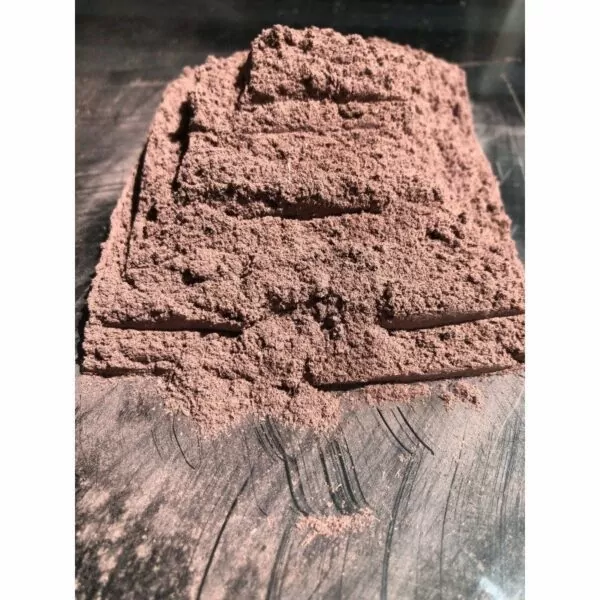
Our powdered root bark undergoes a double-sifting process through stainless steel mesh screens. This eliminates coarse fiber chunks, dirt particles, and un-ground woody bits, leaving behind a fine, uniform 80-mesh powder.
3. Vacuum Sealed Protection
Exposure to oxygen and moisture causes botanical powders to lose potency over time. Immediately after sifting, our MHRB is packed into heavy-duty, food-grade, UV-blocking vacuum bags sealed against air, light, and humidity.
SHOP NOW & PRIVACY GUARANTEE
Experience Premium Mimosa Hostilis Root Bark Today
Elevate your craft projects, natural dye vats, and soap formulations with the finest Mimosa Hostilis inner root bark for sale. Choose your preferred format—ultra-fine powder, hand-shredded fibers, or raw whole strips—and enjoy fast, trackable, discreet shipping straight to your door.
Why Shop With Us Today?
-
Guaranteed 100% Pure Inner Root Bark
-
Ethically & Sustainably Wildcrafted
-
Same-Day Shipping on Orders Before 2 PM EST
-
Strict Customer Privacy & Generic Packaging
-
Dedicated Customer Support Team